

Community Air Protection Incentives
California Air Resources Board (CARB)
What does it fund?
This program provides incentive grants to reduce air pollution from mobile sources, reduce toxic air contaminant emissions, and to support local measures that air districts and communities identify through AB 617 Community Emissions Reduction Programs. The program supports replacement of high-polluting vehicles and equipment with newer models that have lower or zero emissions, infrastructure projects such as zero-emission charging stations, and a suite of project types to reduce exposure at sensitive receptors. Other projects have the co-benefits of improving quality of life, such as community greening and vegetative barriers and paving, sidewalk, bike path projects, and collaborations with local governments on truck reroute studies. Additionally, CAP Incentives provide a framework for air districts, in collaboration with their communities, to create new kinds of incentives to address other stationary sources of pollution or sources identified in their Community Emission Reduction Programs, created per the requirements of AB 617.
Who is eligible for funds?
Local air districts receive funds based on a formula and distribute them to individual projects.
How does this program provide benefits to priority populations?
At least 70 percent of funds go to projects benefiting disadvantaged communities.
How do I access funds?
Apply to local air district competitive solicitations.
Funding timeline
Contact your local air district for application information and availability of specific project types.
Project Profiles
Read stories of projects funded by this program.


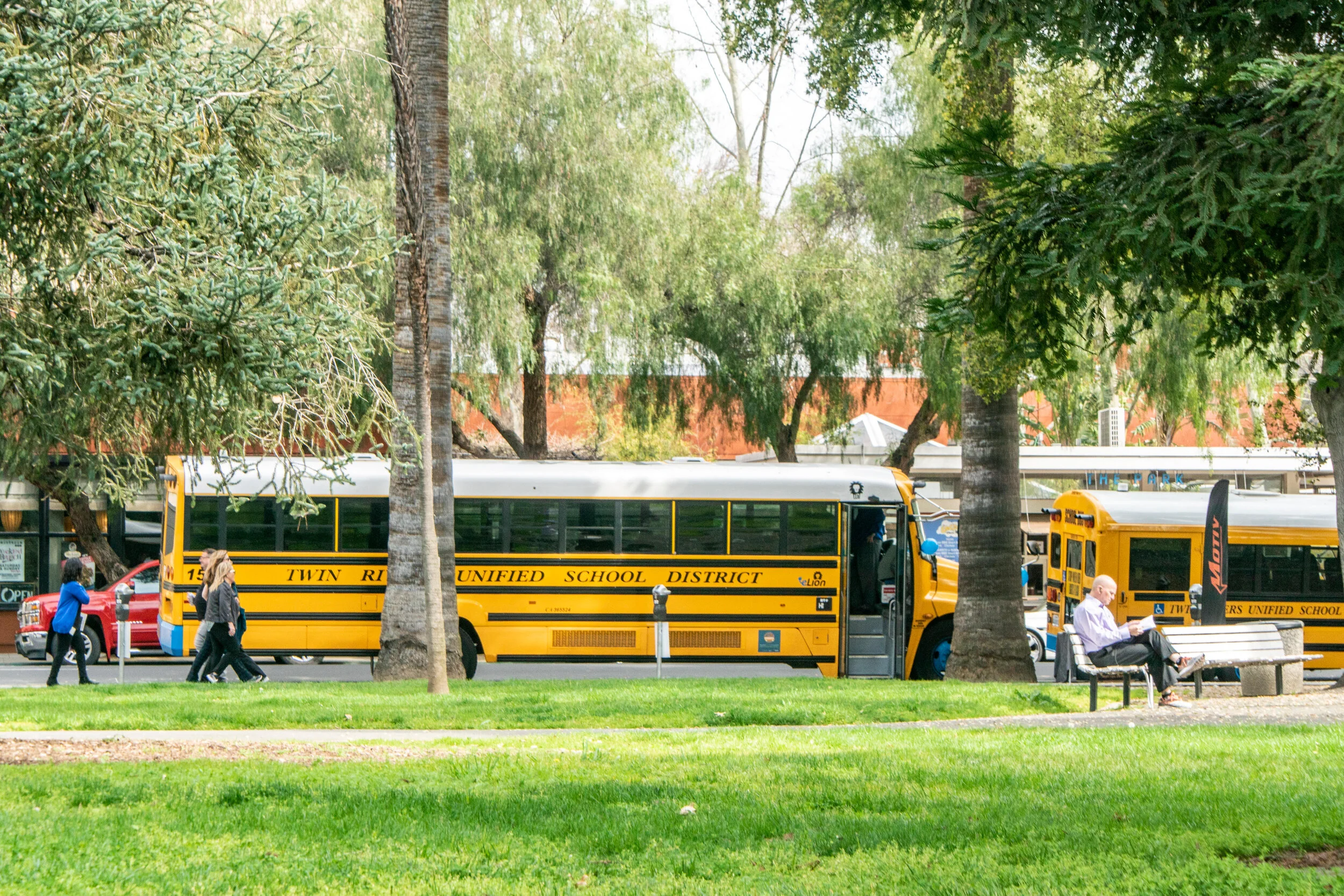
Spotlight on CAP Incentives Projects: Imperial County
Cumulative Statistics
As of October 31,
implemented
benefiting priority populations
MTCO2e estimated GHG emissions reductions
projects implemented
Other Expected Benefits
Achievements
implemented
MTCO2e GHG emissions reductions
benefiting disadvantaged communities
benefiting disadvantaged communities
benefiting low-income communities
benefiting other areas of California
full-time equivalent jobs reported
For more information, visit: Community Hub 2.0